
The Illusion of Skill in Random Games
One of the most prevalent myths surrounding casino gambling is the belief that skill can significantly influence outcomes in games designed around chance. Many players mistakenly think that their experience, strategies, and techniques can sway games like slots, roulette, and craps, especially when trying the best online pokies nz options available. In reality, these games operate on random number generators and predetermined odds, which means the outcomes are completely independent of player actions. While poker and blackjack do involve elements of skill, the fate of players in purely random games is dictated entirely by luck.
For instance, a player may believe that they can “read” the spins of a roulette wheel or find patterns in the outcomes of slot machines. However, casinos utilize sophisticated technology to ensure that games remain unpredictable. The randomness in these games is integral to their design; it keeps the gameplay exciting and ensures that the house retains its edge. Learning about the nature of these games is crucial for players to manage their expectations and gambling behavior effectively.
Moreover, this myth often leads to misconceptions about betting strategies. Players might think that increasing their bets after losses will lead to recovery in the long run. This strategy, often referred to as “chasing losses,” can result in severe financial consequences. Instead of improving their chances, players end up falling deeper into the trap of gambling addiction, blinded by the false belief that skill can overcome luck.
Chasing the Hot Streak
Another common myth is the idea of hot and cold streaks—when players believe that machines or tables perform better or worse over time. For example, some gamblers might feel that a slot machine that has not paid out recently is due for a win, a concept called the “gambler’s fallacy.” This belief is dangerous because it can lead to impulsive betting. In reality, each play on a slot machine is independent of the last, effectively nullifying the notion of streaks in pure chance games.
In the context of table games, players may also misconstrue the notion of streaks, thinking that if a certain color has won several times in roulette, the opposite color is more likely to win next. This misapprehension can heavily influence betting strategies, leading to losses based on flawed reasoning. The fallacy lies in misunderstanding that the odds remain constant and unaffected by prior results, as each round is unaffected by the previous outcomes. The random nature of these games makes them unpredictable.
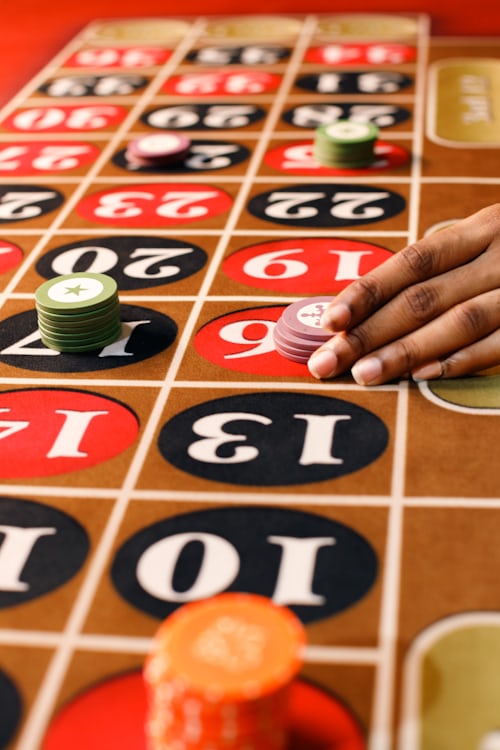
Players need to approach gambling with a mindset rooted in reality. While it might be thrilling to believe in hot streaks, doing so can cloud judgment and lead to unwise gambling practices. Understanding the randomness of outcomes allows players to focus on responsible gambling rather than chasing myths that ultimately serve to increase losses.
The Myth of “Due” Wins
The belief that a certain outcome in a game is “due” is a widespread misconception among gamblers. For example, a player may feel that after a series of losses, they are “due” for a win, creating a psychological compulsion to keep playing. This anticipation can lead players to invest more money than they originally intended, driven by the false notion that luck will eventually shift in their favor. In reality, each betting opportunity is a new event, with independent probabilities.
The concept of being “due” is particularly dangerous because it entices players to ignore sound strategy and logic. Gamblers may find themselves in situations where they’re investing heavily in hopes of recovering past losses. The outcome remains governed by chance, therefore, a player’s chances of winning do not increase simply because they have lost previously. Comprehending these dynamics can help players maintain better control over their gambling behaviors and avoid pitfalls associated with chasing losses.
It’s vital to recognize that casinos are designed to have a built-in edge, meaning that players will generally lose over time. Understanding this fundamental principle can demystify the belief in due wins and encourage individuals to approach gambling more responsibly. Instead of focusing on recovery through chance, players should prioritize enjoyment and set limits on their gambling activities.
Luck vs. Gambling Strategies
The distinction between luck and strategic gameplay is another area shrouded in misconceptions. While skill and strategy do play significant roles in specific casino games like poker and blackjack, using the same logic in games of chance can lead to false confidence. Players often believe they can leverage strategies to influence outcomes in inherently random games, which is not the case. The truth is, luck is the primary determinant in such games.

For example, card counting in blackjack can improve a player’s odds; however, attempting to apply that to a game of slots is futile. Players may also seek out supposed “hot” tables or machines, losing sight of the reality that all outcomes are random and not influenced by external factors. The allure of strategy can mislead players into believing they have greater control over their success when, in actuality, luck is the dominant force.
Understanding the balance between skill and luck is essential for responsible gambling practices. Gamblers should familiarize themselves with the rules and odds of games that require skill while recognizing their limitations in games of chance. This knowledge can help players enjoy their gambling experience without falling victim to myths that misrepresent how these games function.
Understanding Responsible Gambling
Responsible gambling is an essential aspect that players must consider when engaging with casino games. The myths surrounding luck and strategy can often lead individuals into dangerous territory, where they may gamble beyond their financial limits. It is crucial for players to understand that gambling should be a form of entertainment rather than a way to make money. The thrill of the game should be the focus rather than the hope of winning.
Awareness of individual betting limits is crucial for maintaining control over gambling habits. Setting a budget, understanding the odds, and recognizing the role of luck are all integral components of responsible gambling. Players should regularly evaluate their gambling activities to ensure that they aren’t being led astray by myth-driven expectations. This approach not only enhances the gaming experience but also promotes a healthier relationship with gambling.
Many reputable casinos provide resources and support systems to aid responsible gambling, such as self-exclusion programs and educational materials. These tools are designed to help players understand the risks and develop awareness about gambling-related issues. By embracing responsible gambling practices, players can counteract the myths surrounding luck and develop a balanced approach to their gaming experiences.
